Texas is a major hub for trade, transport, and logistics, making commercial driving one of the most stable and lucrative career paths in the state. From moving freight across the country to operating local transport vehicles, commercial drivers are constantly in high demand. This growing need translates to excellent job security, competitive salaries, and extensive benefits for qualified drivers.
If you are looking to change careers or secure a higher-paying job, understanding how to get a CDL license in Texas is the first step toward reaching your goal. Navigating the rules and regulations might seem overwhelming at first, but breaking the process down into manageable steps makes it much easier.
Many prospective drivers ask, “how can I get a CDL in Texas?” while trying to figure out where to begin. Earning your commercial driver’s license Texas style means meeting specific state and federal guidelines, completing required medical exams, and passing both written and practical driving tests. Getting the right education and hands-on experience early on will set you up for long-term success on the road.
What Is a Commercial Driver’s License in Texas?
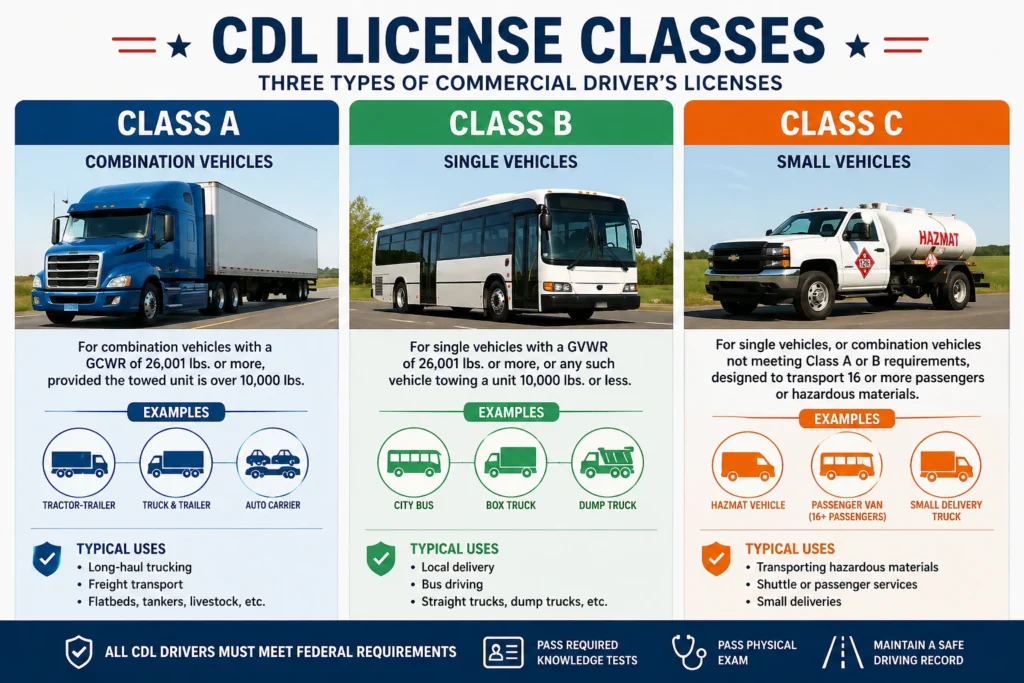
A Commercial Driver’s License (CDL) is a specialized driver’s license required to operate large, heavy, or placarded hazardous material vehicles in commerce. The federal government sets the baseline standards for these licenses, but the state issues them. Holding a commercial drivers license texas allows you to legally operate commercial motor vehicles (CMVs) on public roads.
The state of Texas categorizes CDLs into three main types, depending on the weight and type of vehicle you intend to drive:
- Class A: Required for operating any combination of vehicles with a gross combination weight rating (GCWR) of 26,001 pounds or more, provided the towed vehicle is heavier than 10,000 pounds.
- Class B: Required to operate a single vehicle with a gross vehicle weight rating (GVWR) of 26,001 pounds or more, or any such vehicle towing a vehicle not in excess of 10,000 pounds GVWR.
- Class C: Required for vehicles that do not meet the criteria for Class A or B, but are designed to transport 16 or more passengers (including the driver) or are used to transport hazardous materials.
Texas CDL Requirements You Must Meet
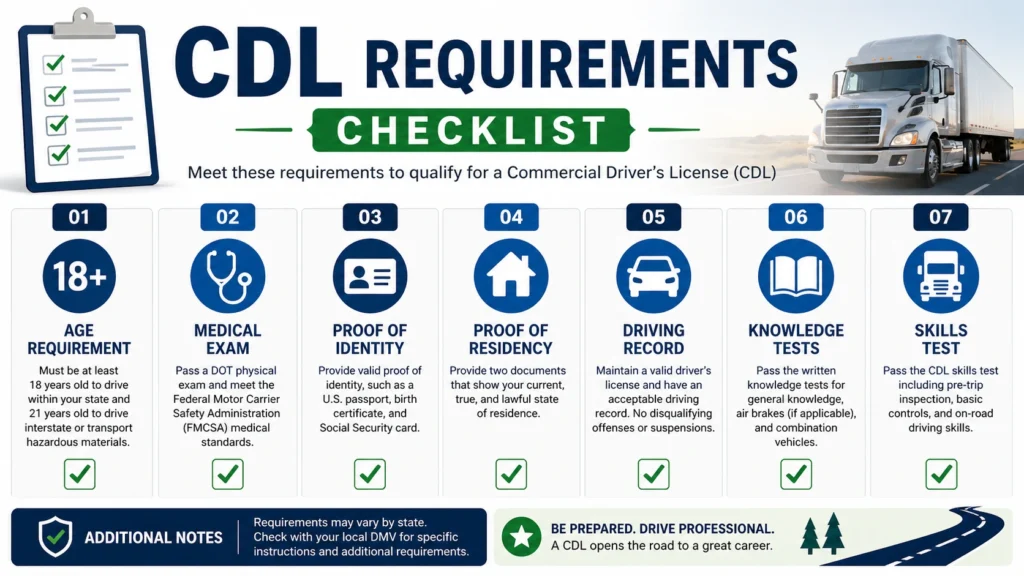
Before you can start driving, you must meet a specific set of texas cdl requirements. The Texas Department of Public Safety (DPS) outlines strict guidelines to ensure all commercial drivers are safe and capable.
First, you must meet the age requirements. You need to be at least 18 years old to drive intrastate (within Texas borders). To drive interstate (across state lines) or transport hazardous materials, you must be at least 21 years old. You must also hold a valid, unexpired Texas Class C driver’s license.
Medical fitness is another major component of the cdl qualifications texas mandates. You must pass a Department of Transportation (DOT) physical and carry a valid Medical Examiner’s Certificate. Additionally, you must provide proof of Texas residency, your Social Security Number (SSN), and demonstrate proficiency in the English language to read traffic signs, communicate with officials, and complete reports.
CDL Qualifications in Texas (Quick Eligibility Checklist)
To keep things simple, here is a quick checklist of the core cdl qualifications texas requires:
- Minimum age requirement (18 for intrastate, 21 for interstate)
- Clean driving record with no active suspensions
- Medical fitness (passed DOT physical)
- Pass a standard vision test
- No disqualifying criminal history or severe traffic violations
- Valid Social Security Number and proof of U.S. citizenship or lawful presence
Step-by-Step Guide: How to Get CDL Texas
Step 1 – Get Your Commercial Learner’s Permit (CLP)
The first practical step is obtaining your Commercial Learner’s Permit (CLP). You must visit a Texas DPS office, submit your application, pass the required vision exam, and pass the written knowledge tests for the specific class of vehicle you want to drive. Holding a CLP allows you to practice driving a CMV on public roads, as long as a qualified CDL holder is in the passenger seat.
Step 2 – Complete CDL Training Program
Federal regulations now mandate Entry-Level Driver Training (ELDT) for new commercial drivers. To improve your chances of passing on the first attempt, enrolling in professional cdl training programs is highly recommended. Structured training helps you gain real-world driving experience and prepares you for both written and skills tests.
Step 3 – Practice Driving & Gain Experience
With your CLP in hand and under the guidance of your training program, you will spend time behind the wheel. This phase focuses on mastering basic maneuvers, shifting, turning, backing up, and navigating real traffic situations safely. You must hold your CLP for at least 14 days before you can take the final skills test.
Step 4 – Schedule and Pass the CDL Skills Test
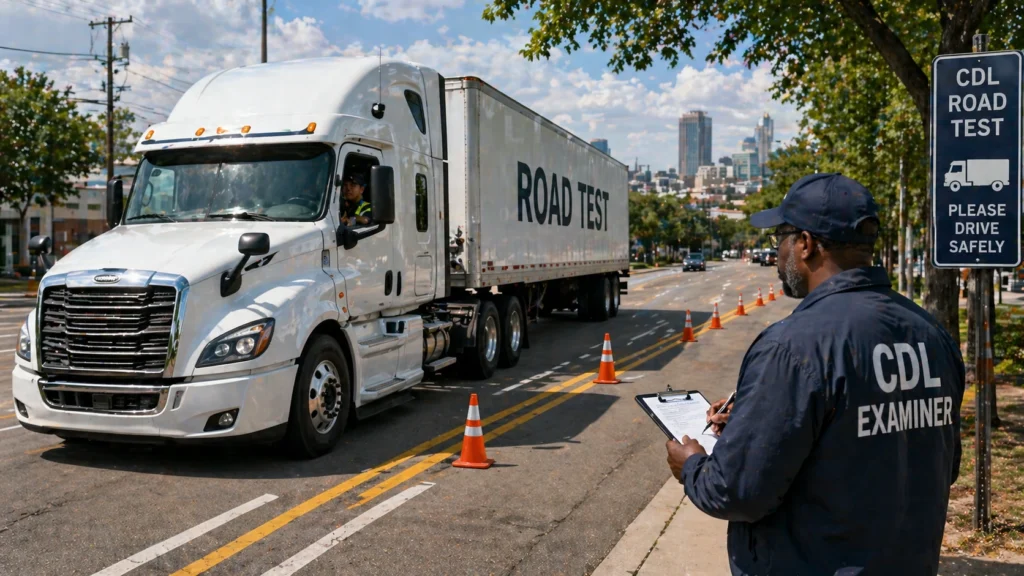
The CDL skills test is the final hurdle. It consists of three distinct parts:
- Pre-trip inspection: Demonstrating you know how to check the vehicle for safety issues before driving.
- Basic control skills: Proving you can maneuver the vehicle in a controlled area (backing, parking).
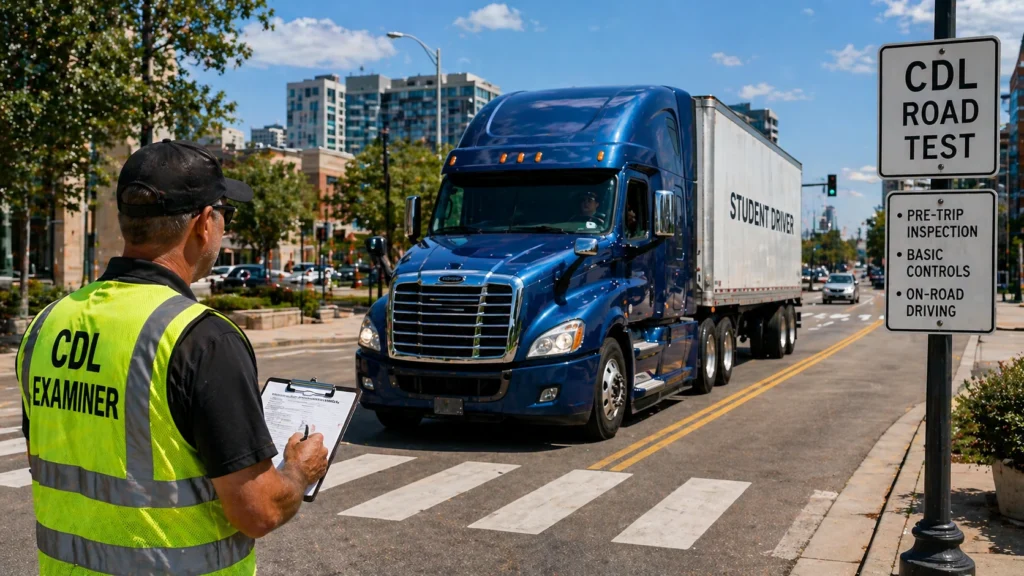
- Road test: Driving on public roads to show you can safely operate the vehicle in normal traffic conditions.
Step 5 – Get Your CDL License
Once you pass the skills test, you will return to the DPS office. You will submit any final documents, pay the required licensing fees, and have your picture taken. At this point, you have officially learned how to get cdl texas and will be issued your commercial driver’s license. If you are still wondering how can I get a cdl in texas, completing these five steps is the exact pathway to success.
Documents Required to Apply for CDL in Texas
Arriving at the DPS office without the proper paperwork will delay your application. Make sure you bring the following documents:
- Identity proof: A valid U.S. passport, birth certificate, or lawful permanent resident card.
- Residency proof: Two documents proving Texas residency, such as a utility bill, lease agreement, or voter registration card.
- SSN: Your original Social Security card.
- Medical certificate: A valid DOT Medical Examiner’s Certificate and any applicable medical waivers.
CDL Training in Texas – Why It Matters
Proper education is crucial for commercial drivers. Attempting to learn everything on your own is difficult and often leads to failed exams. If you are serious about becoming a professional driver, choosing the right training program can fast-track your success and help you meet all Texas CDL requirements efficiently.
Graduates from reputable schools generally enjoy higher pass rates on the DPS skills test. Trucking companies actively recruit from trusted academies, giving you better job opportunities right out of school. Most importantly, structured education teaches you essential defensive driving and safety skills that will protect you throughout your career.
Cost of Getting a CDL in Texas
Budgeting for your commercial license involves several different expenses. The standard Texas DPS fees are relatively low: the Commercial Learner’s Permit fee is around $25, and the CDL fee is usually about $97 (prices are subject to change).
The largest expense will be your education. Tuition for commercial driving schools typically ranges from $3,000 to $7,000, depending on the program’s length, the class of license, and the certifications included. Many employers offer tuition reimbursement programs for drivers who commit to working for them after graduation.
How Long Does It Take to Get a CDL in Texas?
The timeline for earning your commercial license largely depends on your schedule and the type of program you choose. On average, it takes between 3 to 8 weeks to complete the entire process.
Full-time training programs typically take about 3 to 4 weeks of intensive classroom and behind-the-wheel instruction. Part-time or weekend programs will take longer, often stretching to 8 weeks or more. While self-study for the written permit test can go as fast as you want, the mandated Entry-Level Driver Training and the 14-day CLP holding period create a mandatory baseline timeline.
CDL License Classes in Texas Explained
Understanding the different vehicle classes is vital before applying:
- Class A: The most common class for over-the-road truck drivers. It covers tractor-trailers, truck and trailer combinations, and flatbeds.
- Class B: Geared toward drivers of straight trucks, large passenger buses, box trucks, and dump trucks with small trailers.
- Class C: Meant for specialized vehicles transporting hazardous materials or vehicles designed to carry 16 or more passengers that do not fit into Class A or B.
Tips to Pass Your CDL Test in Texas
Passing the written and practical exams requires preparation and focus. Start by studying the Texas Commercial Motor Vehicle Drivers Handbook thoroughly, as it contains all the information you need for the written exams. Take multiple mock tests online to get comfortable with the format of the questions.
For the practical exam, practice regularly with a qualified instructor. Repetition is key to mastering the pre-trip inspection and backing maneuvers. Choosing a good training program with experienced instructors will give you the targeted feedback needed to correct mistakes before test day.
Start Your CDL Journey with the Right Training Support
Choosing where you train can make a significant difference in how quickly and confidently you earn your license. At Roadmasters Academy, the focus is on helping students build real-world driving skills while preparing for both the written and CDL skills tests.
Their programs are designed to align with current training requirements and provide a structured learning environment for new drivers. With a mix of classroom instruction and hands-on experience, students can better understand vehicle operation, safety practices, and test expectations.
For anyone planning their next step, exploring a reliable training option like this can help simplify the process and provide the support needed to complete the CDL journey.
FAQs About Getting a CDL in Texas
How can I get a CDL in Texas fast?
The fastest way to get licensed is by enrolling in a full-time, intensive training program. These schools guide you through the permit process, fulfill the ELDT requirements, and prepare you for the skills test in as little as 3 to 4 weeks.
What are the CDL qualifications in Texas?
You must be at least 18 years old (21 for interstate driving), hold a valid Texas driver’s license, pass a DOT medical physical, have a clean driving record, and provide proof of identity, SSN, and Texas residency.
Can I get a CDL without training?
No. Federal regulations now require all new applicants to complete Entry-Level Driver Training (ELDT) from a registered provider before taking the CDL skills test.
How much does it cost to get a CDL in Texas?
The DPS fees are around $122 combined for the permit and license. However, tuition for the required driver training programs generally ranges from $3,000 to $7,000.
How long does it take to get a CDL in Texas?
Most drivers complete the entire process, including studying for the permit, attending a training program, and passing the final skills test, in 3 to 8 weeks.
Start Your Texas Trucking Career Today
Learning how to get a CDL license in Texas is a straightforward process when you break it down into manageable steps. From securing your learner’s permit and passing your medical exam to completing required education and passing the final road test, every requirement is designed to make you a safe and capable commercial driver.
If you are ready to start your trucking career, enrolling in a professional CDL training program is the fastest and most reliable way to succeed. Get the skills, confidence, and certification you need to hit the road with confidence.