If you’re considering a career in trucking, getting a commercial drivers license Texas is an important first step. A Texas CDL can qualify you to operate commercial motor vehicles and open the door to a wide range of driving careers, from local delivery and construction to long-haul trucking.
But how to get a CDL in Texas can seem confusing when you’re unfamiliar with the licensing process. You need to understand the different CDL classes, eligibility requirements, commercial learner’s permit (CLP), training requirements, skills testing and other steps before you can begin your professional driving career.
This guide explains how can I get a CDL license in Texas, what the main CDL requirements Texas drivers need to meet are, and how proper training can help you prepare for a successful career behind the wheel.
What Is a Commercial Driver’s License in Texas?
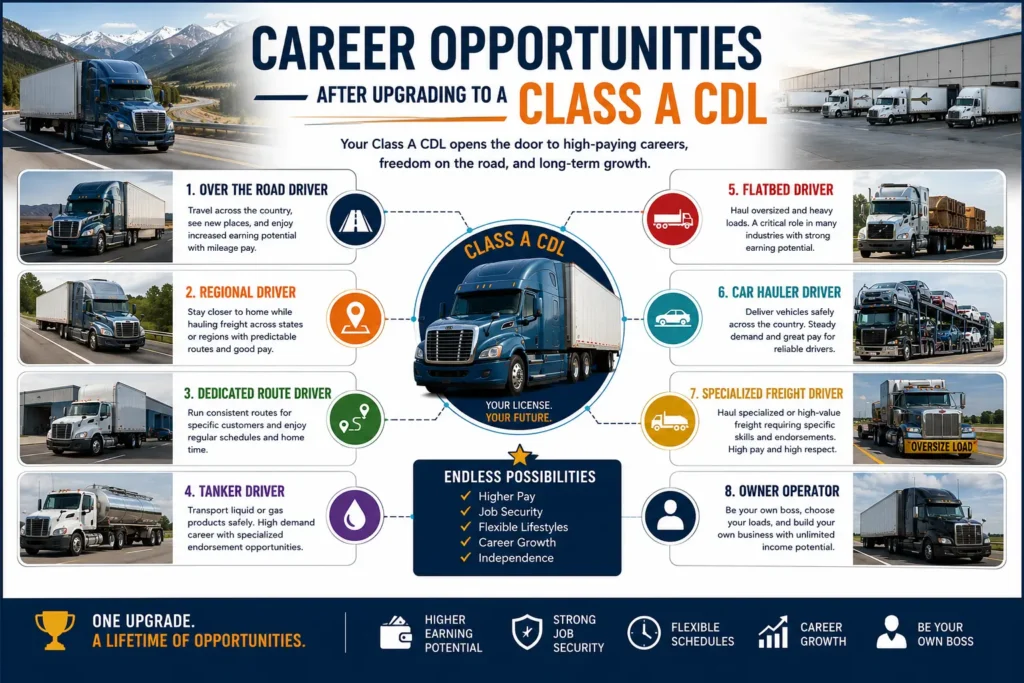
A Commercial Driver’s License (CDL) is a specialised driver’s licence that allows qualified drivers to operate certain types of commercial motor vehicles.
Texas offers several CDL classifications, including Class A, Class B and Class C. The appropriate class depends on the type and weight of vehicle you plan to drive and the kind of commercial work you want to pursue.
For many aspiring professional truck drivers, a Class A license Texas is the most versatile option. It can allow drivers to operate combination vehicles such as tractor-trailers when they meet the applicable requirements and endorsements.
Before starting the application process, consider the type of trucking career you want. Your career goal can help determine which CDL class and endorsements are appropriate for you.
Texas CDL Requirements
Before asking how to obtain CDL license in Texas, it’s important to understand the basic eligibility requirements.
Generally, applicants need to meet Texas and federal eligibility requirements, obtain the appropriate commercial learner’s permit, complete required training when applicable and pass the required CDL knowledge and skills tests.
Requirements can vary depending on your licence class, endorsements, age, driving history and the type of commercial driving you intend to perform.
Some of the key areas to consider include:
- Meeting applicable age requirements
- Holding the required Texas driver’s licence or meeting licensing eligibility requirements
- Providing required identification and documentation
- Obtaining a Commercial Learner’s Permit
- Completing required entry-level driver training when applicable
- Passing the applicable knowledge tests
- Completing the required CDL skills testing
- Meeting applicable medical certification requirements
- Meeting federal and Texas-specific eligibility standards
Because requirements can change, always verify the latest requirements with the Texas Department of Public Safety before applying.
How to Get a CDL in Texas: Step-by-Step
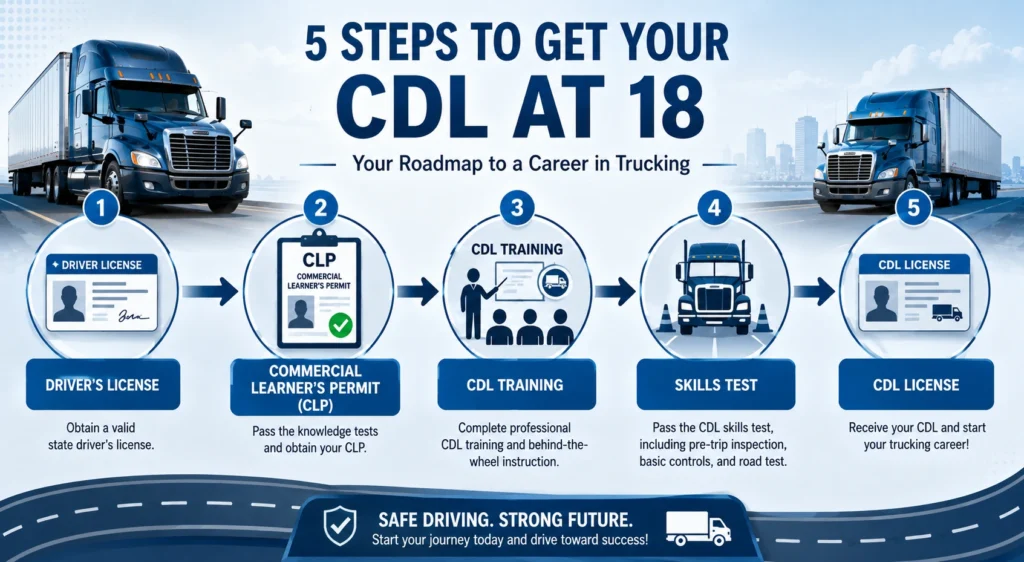
If you’re wondering how can I get a CDL in Texas, following the process step by step can make the journey easier to understand.
1. Decide Which CDL Class You Need
The first step is deciding which type of commercial driver’s licence matches your career plans.
A Class A CDL is commonly associated with combination vehicles such as tractor-trailers. Class B generally applies to certain single vehicles that meet applicable weight requirements, while Class C can apply to certain commercial vehicles that do not fall under Class A or B but meet specific criteria.
If your goal is to become a professional tractor-trailer driver, researching the Class A license Texas requirements is a good starting point.
Choosing the correct licence class before beginning training can help ensure you’re preparing for the type of driving job you actually want.
2. Check Your Eligibility
Before investing time in CDL training, make sure you meet the applicable eligibility requirements.
Review your age, current driver’s licence status, driving record and any other requirements that may apply to your intended CDL. Certain types of commercial driving may have additional federal or state requirements.
If you plan to operate across state lines, additional federal regulations may apply.
3. Apply for a Commercial Learner’s Permit
The next major step is obtaining a Commercial Learner’s Permit, commonly called a CLP.
The CLP allows an eligible applicant to practise operating a commercial motor vehicle under the conditions established by federal and Texas regulations.
Applicants generally need to complete the applicable knowledge testing and provide required documentation before receiving their permit.
Your CLP is an important part of the process because it allows you to gain practical experience before taking your final CDL skills test.
4. Complete Required CDL Training
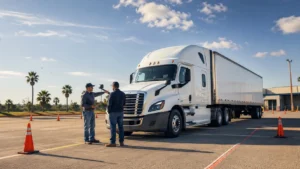
One of the most valuable steps in how to get a CDL driver’s license in Texas is completing quality commercial driver training.
Professional CDL training gives you the opportunity to build both the knowledge and practical skills needed for commercial driving. Training can cover areas such as:
- Vehicle inspection
- Basic vehicle control
- Backing techniques
- Turning and manoeuvring
- Road driving
- Defensive driving
- Safety procedures
- Trip planning
- Commercial vehicle regulations
Training is not simply about passing a test. Developing strong driving habits from the beginning can help prepare you for the responsibilities of a professional driver.
For aspiring truck drivers, choosing a career-focused training programme can provide structured instruction and hands-on practice in a controlled environment.
5. Practise Your Driving Skills
After obtaining your CLP and completing the required training, practice is essential.
Commercial vehicles are significantly different from standard passenger vehicles. They are larger, heavier and require more planning when turning, changing lanes, stopping and manoeuvring.
During your training, focus on developing consistent habits rather than simply trying to complete each exercise quickly.
Pay particular attention to:
- Safe backing
- Mirror use
- Following distance
- Lane positioning
- Turns
- Speed control
- Vehicle inspections
- Hazard awareness
The more comfortable you become with these fundamentals, the better prepared you’ll be for your CDL skills test and future driving career.
6. Pass the CDL Skills Test
Once you’ve completed the required preparation, you’ll need to pass the applicable CDL skills test.
The skills test generally evaluates your ability to safely operate a commercial vehicle. Depending on the CDL class and testing requirements, this can involve different components, including vehicle inspection, basic control and an on-road driving portion.
Preparation is important because the test evaluates practical driving ability—not just your knowledge of traffic rules.
Work with your instructor to identify areas where you need additional practice before scheduling your test.
7. Receive Your Texas CDL
After meeting the applicable requirements and successfully completing the required testing, you can move forward with obtaining your Texas CDL.
Once licensed, you’ll be able to pursue commercial driving opportunities that match your CDL class, endorsements and qualifications.
Remember that getting your licence is the beginning of your professional driving journey—not the end. Safe driving, continued learning and maintaining your qualifications are important throughout your career.
How to Obtain CDL License in Texas Faster and More Confidently
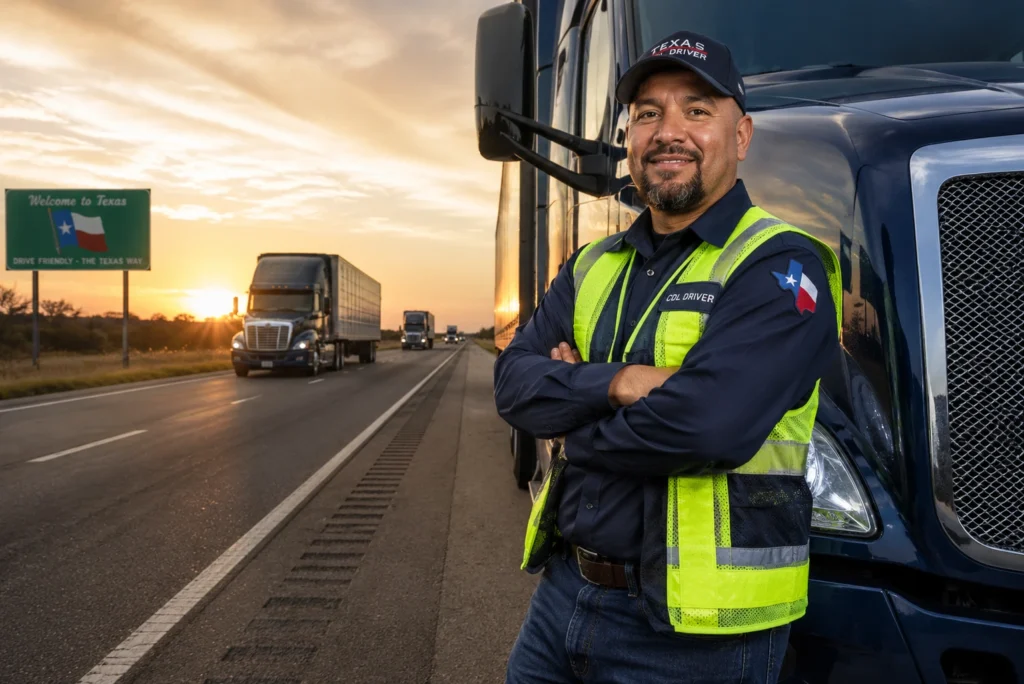
There isn’t a shortcut around the requirements, but proper preparation can make the process more organised.
Start by understanding the exact licence you need. Then choose a reputable training programme that provides structured classroom instruction and hands-on driving experience.
A career-focused training environment can also help you understand what professional trucking is actually like beyond the licensing test.
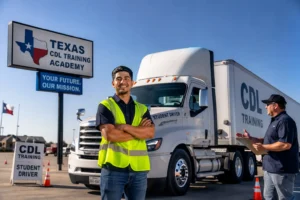
At Roadmaster Academy, the goal is to help aspiring drivers build the practical knowledge, confidence and skills they need to pursue opportunities in the trucking industry.
Why Choose a Class A CDL?
If you want flexibility in your trucking career, a Class A CDL may be worth considering.
A Class A licence can qualify drivers for a broad range of combination-vehicle driving opportunities when the driver meets all applicable requirements.
Potential career paths can include:
- Long-haul truck driving
- Regional trucking
- Local freight
- Dedicated routes
- Transportation and logistics
- Certain specialised hauling positions
Your opportunities will depend on your qualifications, endorsements, employer requirements and experience.
Before selecting a programme, think about where you want your career to go. A licence and training programme that matches your long-term goals can help you make a more informed decision.
Common Mistakes to Avoid When Getting a CDL
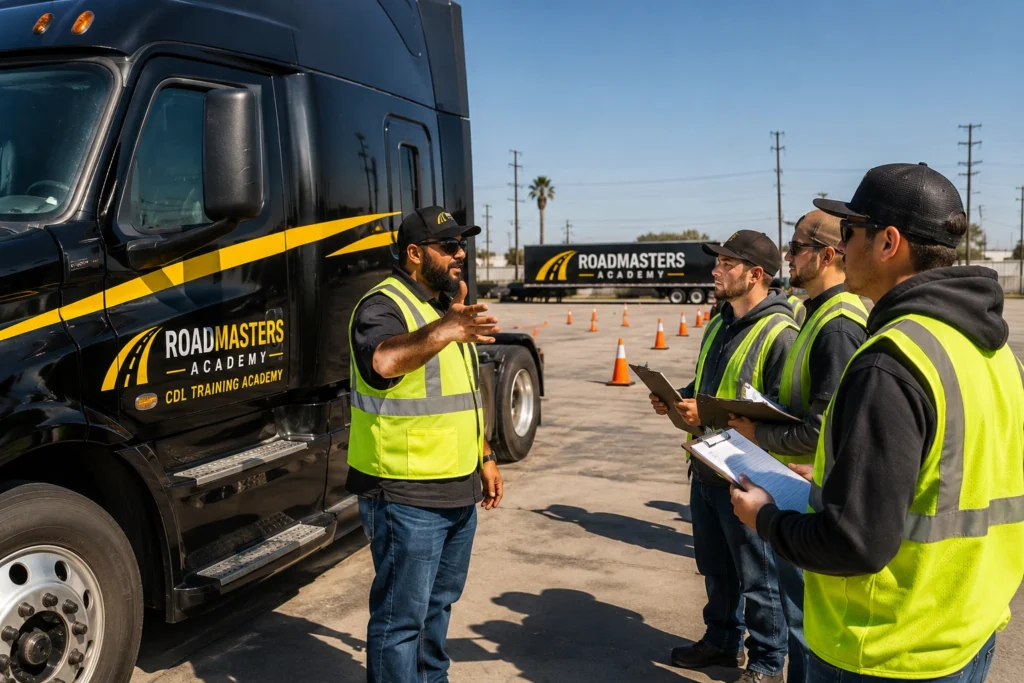
Understanding the process is important, but knowing what to avoid can be equally valuable.
Choosing the Wrong CDL Class
Don’t automatically choose a licence class without considering the vehicles you want to drive and the jobs you’re targeting.
Skipping Professional Training
Trying to prepare without adequate hands-on practice can make learning commercial vehicle operation much more difficult.
Focusing Only on Passing the Test
A CDL test is only one part of becoming a professional driver. Safe vehicle operation should remain the priority throughout your training and career.
Not Reviewing Current Requirements
CDL regulations and testing requirements can change. Always confirm current requirements before submitting an application or scheduling testing.
Underestimating the Importance of Practice
Commercial driving requires coordination, awareness and judgement. Consistent practice can help turn individual techniques into reliable driving habits.
Frequently Asked Questions About CDL License Texas
How can I get a CDL license in Texas?
To get a CDL in Texas, you generally need to determine the appropriate CDL class, meet eligibility requirements, obtain a Commercial Learner’s Permit, complete applicable training requirements, pass the required knowledge and skills tests, and satisfy other state and federal requirements.
How long does it take to get a CDL in Texas?
The timeline varies depending on your CDL class, training programme, testing availability and individual preparation. Completing a structured training programme can help you prepare efficiently while developing the practical skills needed for commercial driving.
What are the CDL requirements Texas applicants should know?
Requirements can include eligibility standards, documentation, a Commercial Learner’s Permit, applicable training, knowledge testing, skills testing and medical certification requirements. Specific requirements depend on your situation and the type of commercial driving you plan to perform.
Can I get a Class A license in Texas?
Yes. Eligible applicants can pursue a Class A CDL in Texas by meeting the applicable state and federal requirements, completing required training and successfully passing the required testing.
Is CDL training worth it?
For many aspiring professional drivers, structured CDL training can be valuable because it combines classroom knowledge with practical vehicle experience. Good training can help you develop safer driving habits and prepare for the CDL skills test and a professional driving career.
Start Your CDL Career in Texas
Getting a commercial drivers license Texas can be the beginning of a rewarding career in the transportation industry. While the process involves several steps, understanding the requirements and preparing properly can make the journey much easier.
From choosing the right CDL class and obtaining your CLP to completing training and passing your skills test, every stage plays an important role in preparing you for professional driving.
If you’re serious about starting a trucking career, don’t just focus on getting your licence—focus on becoming a safe, skilled and confident professional driver.
Ready to take the next step? Explore Roadmaster Academy’s CDL training options and start preparing for your future in the trucking industry.