Choosing the right commercial driver’s license is an important decision for anyone planning to build a career in commercial driving. In Texas, your CDL class determines the types of commercial vehicles you can operate and can influence the career opportunities available to you.
For many aspiring drivers, the biggest question is whether to pursue a Class A or Class B CDL. Both can lead to rewarding commercial driving careers, but they are designed for different vehicle types and career paths.
If you’re researching a CDL license Texas drivers can obtain, understanding the difference between Class A and Class B can help you make a more informed decision before beginning your training.
In this guide, we’ll explain the differences between the two CDL classes, discuss Texas licensing requirements, explore potential career paths, and help you determine which option may be the right fit for your goals.
What Is a Commercial Driver License?
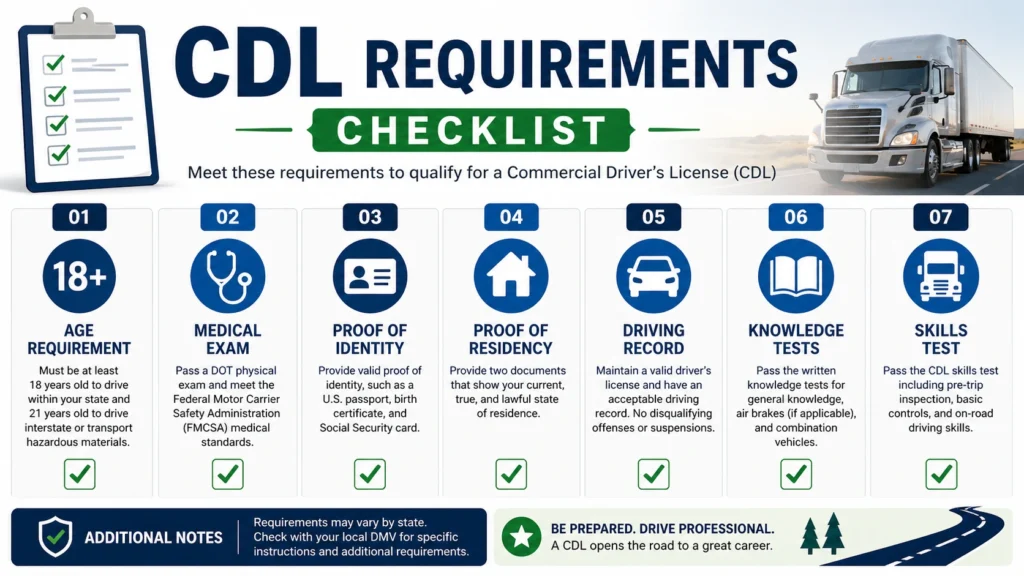
A commercial driver license is a specialized license required to operate certain commercial motor vehicles. Unlike a standard driver’s license, a CDL demonstrates that a driver has met specific requirements to operate larger or specialized commercial vehicles.
In Texas, CDL requirements are based on both state and federal regulations. The type of CDL you need depends on factors such as the vehicle’s weight, configuration, and the type of transportation you plan to perform.
The primary CDL classes include:
- Class A CDL – generally used for qualifying combination vehicles.
- Class B CDL – generally used for qualifying single commercial vehicles.
- Class C CDL – generally applies to certain commercial vehicles that don’t meet the requirements for Class A or B but transport passengers or certain hazardous materials.
For people planning a professional driving career, Class A and Class B are often the most relevant options to consider.
Understanding CDL License Texas Requirements
Before starting your training, it’s important to understand the basic process for obtaining a CDL license Texas drivers need for commercial driving.
While specific requirements depend on the CDL class and circumstances, the process generally includes:
- Meeting applicable eligibility requirements.
- Applying for a commercial learner’s permit (CLP).
- Passing the required knowledge tests.
- Completing applicable entry-level driver training.
- Developing behind-the-wheel driving skills.
- Completing the required CDL skills testing.
- Receiving the appropriate commercial driver’s license.
Additional endorsements may also be required depending on the type of vehicle or cargo you plan to operate.
Because CDL regulations and requirements can change, prospective drivers should confirm the latest requirements with the Texas Department of Public Safety before beginning the licensing process.
What Is a Class A CDL?
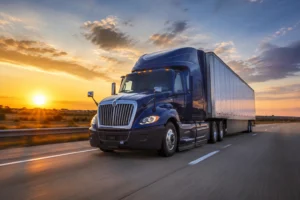
A Class A CDL is generally designed for drivers who operate qualifying combination vehicles. One of the most familiar examples is a tractor-trailer, where a tractor is connected to one or more trailers.
For aspiring professional truck drivers, Class A can provide access to a wide range of trucking career opportunities.
A Class A CDL may be particularly suitable if you want to:
- Drive tractor-trailers.
- Transport freight over long distances.
- Work regional trucking routes.
- Pursue over-the-road driving opportunities.
- Explore different types of freight transportation.
- Build a long-term career in the trucking industry.
If your goal is to become a professional tractor-trailer driver, dedicated Class A CDL Training can give you the practical experience and preparation needed to work toward that career.
Common Class A CDL Career Opportunities

Depending on the employer and qualifications required, Class A CDL holders may pursue positions such as:
- Tractor-trailer driver
- OTR truck driver
- Regional truck driver
- Freight driver
- Commercial transportation driver
Your CDL class is only one part of your qualifications. Certain jobs may also require endorsements, additional training, experience, or other employer-specific requirements.
What Is a Class B License Texas Drivers Can Obtain?
A Class B CDL is generally designed for qualifying single commercial vehicles. These vehicles can include certain straight trucks, dump trucks, large delivery vehicles, and buses, depending on the applicable requirements.
A Class B license Texas drivers pursue may be a good choice for individuals who want to operate commercial vehicles without primarily driving tractor-trailer combinations.
For example, drivers interested in local delivery, construction, municipal transportation, or certain passenger transportation roles may find Class B aligns more closely with their career goals.
Common Class B CDL Career Opportunities
Depending on the position and applicable qualifications, Class B CDL holders may pursue careers such as:
- Straight truck driver
- Dump truck driver
- Local delivery driver
- Construction-related driver
- Bus driver
- Other commercial vehicle operator
If you already know that your desired career involves qualifying Class B vehicles, completing dedicated Class B CDL Training can help you develop the skills required for commercial vehicle operation and CDL testing.
Class A vs Class B License Texas: Key Differences
The main difference between Class A and Class B is the type and configuration of vehicles each class is designed to cover.
| Feature | Class A CDL | Class B CDL |
| Typical vehicle | Qualifying combination vehicles | Qualifying single commercial vehicles |
| Common example | Tractor-trailer | Straight truck |
| Career focus | Freight and trucking | Local and specialised commercial driving |
| Route options | Local, regional, and OTR | Often local or regional |
| Training focus | Combination vehicle operation | Single commercial vehicle operation |
| Best suited for | Aspiring professional truck drivers | Drivers targeting specific commercial driving roles |
Neither CDL class is automatically better than the other. The best choice depends on your career goals and the type of vehicle you want to operate.
Commercial Drivers License Texas: Which One Should You Choose?
When comparing a commercial drivers license Texas applicants can pursue, think beyond the license itself. Consider what you want your day-to-day work to look like after completing your training.
Choose Class A If You Want to:
- Drive tractor-trailers.
- Pursue long-haul trucking.
- Explore regional freight opportunities.
- Have access to a broader range of combination-vehicle driving positions.
- Build a career in professional trucking.
Class A can be a strong option for individuals who want maximum flexibility within the traditional trucking industry.
Choose Class B If You Want to:
- Operate qualifying single commercial vehicles.
- Focus on local or regional driving.
- Drive straight trucks or dump trucks.
- Pursue specific delivery or construction-related driving positions.
- Work in commercial transportation without primarily operating tractor-trailers.
If you already have a specific job or vehicle in mind, check which CDL class that employer requires before enrolling in training.
Which CDL Offers Better Career Opportunities?
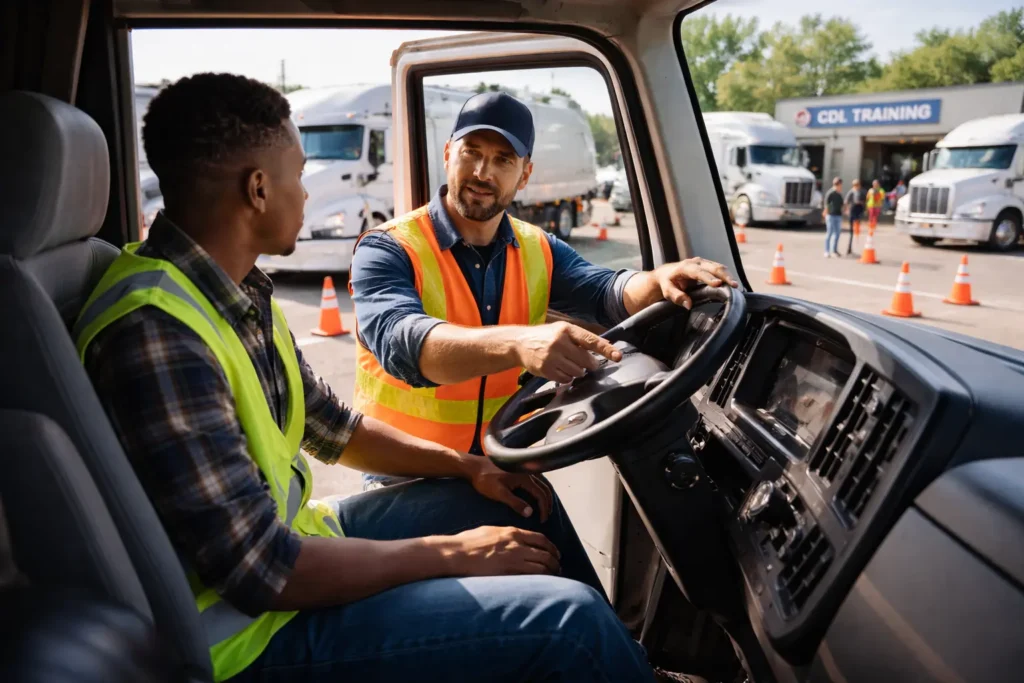
There isn’t one answer that applies to every driver.
A Class A CDL can provide access to a broad selection of tractor-trailer and freight-driving opportunities. It may be a good fit for someone who wants to explore different routes, freight operations, and trucking careers.
A Class B CDL can be a practical option for someone who prefers local commercial driving or has a specific career goal involving a qualifying single commercial vehicle.
Before making your decision, ask yourself:
- What type of vehicle do I want to drive?
- Do I prefer local, regional, or long-distance routes?
- Am I comfortable spending extended periods on the road?
- What type of commercial driving job interests me?
- What CDL class does my desired employer require?
- Will I need any additional endorsements?
Your answers can help you select a CDL path that matches your long-term career goals rather than simply choosing a license based on what someone else recommends.
How to Get a CDL License Texas Drivers Need
Once you’ve decided which CDL class is right for you, you can begin working toward your license.
Step 1: Determine Your CDL Class
Start by identifying the type of commercial vehicle you want to operate. If your career goal involves tractor-trailers, Class A may be appropriate. If you plan to operate qualifying single commercial vehicles, Class B may be the better option.
Step 2: Review Texas CDL Requirements
Review the current eligibility, documentation, permit, training, and testing requirements that apply to your situation.
Understanding the process beforehand can help you prepare more effectively.
Step 3: Obtain Your Commercial Learner’s Permit
The commercial learner’s permit allows you to begin the supervised learning process required before obtaining your full CDL.
You’ll need to meet the applicable requirements and complete the necessary knowledge testing.
Step 4: Complete Required CDL Training
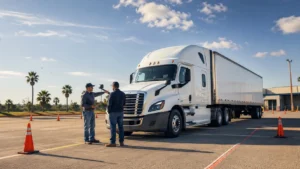
Professional training can help you develop the knowledge and practical skills required for commercial vehicle operation.
For students looking for a comprehensive training option, a 160 Hour CDL Training Course can provide structured instruction and hands-on preparation for aspiring commercial drivers.
Step 5: Build Your Behind-the-Wheel Skills
Commercial vehicles require different handling techniques than standard passenger vehicles. Training should give you opportunities to practise skills such as:
- Vehicle inspection
- Basic vehicle control
- Backing
- Turning
- Manoeuvring
- Road driving
- Safety procedures
Step 6: Complete Your Required CDL Testing
After meeting the applicable training and licensing requirements, you’ll need to complete the required CDL testing for your chosen class.
Preparing with professional instruction and hands-on practice can help you approach the testing process with greater confidence.
Step 7: Start Your Commercial Driving Career
Once you have your CDL and meet the qualifications for your desired position, you can begin applying for commercial driving opportunities.
Keep in mind that employers may have additional requirements involving driving records, experience, endorsements, or other qualifications.
Why Professional CDL Training Matters
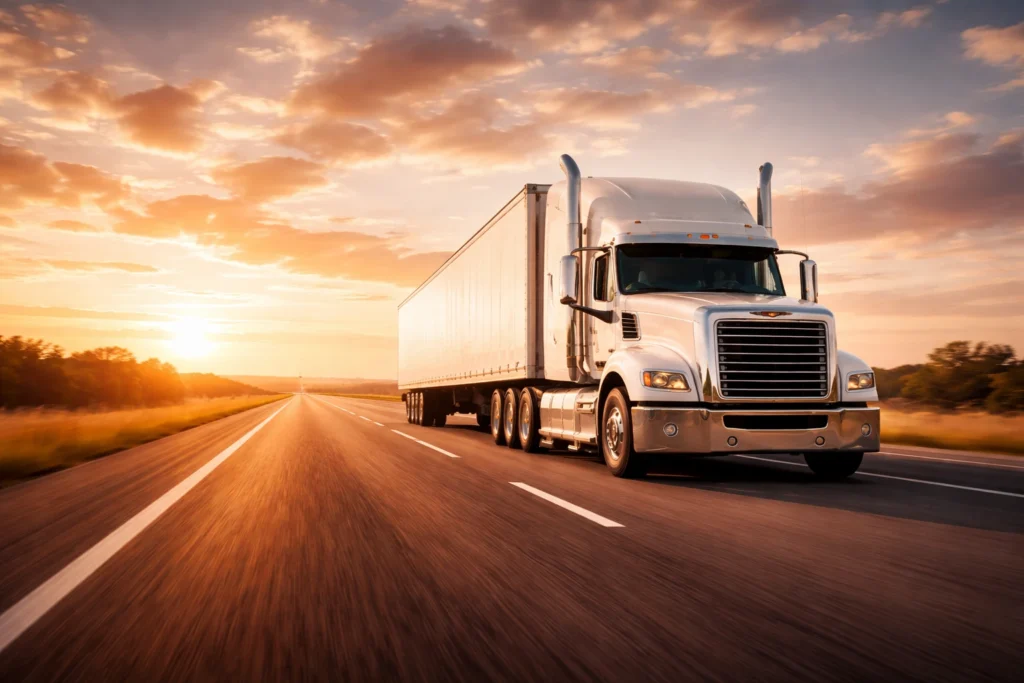
Obtaining a commercial driver license is about more than simply passing a test. Professional drivers need practical skills, safety awareness, and confidence to operate commercial vehicles responsibly.
Professional CDL training can help aspiring drivers:
- Understand commercial vehicle operation.
- Develop practical driving skills.
- Practice pre-trip inspections.
- Improve backing and manoeuvring.
- Prepare for CDL testing.
- Build confidence behind the wheel.
- Develop safe commercial driving habits.
For someone starting a new career, structured training can provide a foundation that is difficult to develop through studying alone.
Build Your Career with Roadmasters Academy
At Roadmasters Academy, the focus is on preparing students for real-world commercial driving careers.
Choosing the right CDL is an important first step, but having the right training can make the journey toward becoming a professional driver more structured and focused.
Whether you’re interested in Class A CDL Training, Class B CDL Training, or a comprehensive 160 Hour CDL Training Course, Roadmasters Academy provides career-focused training designed to help aspiring drivers build practical skills and prepare for the road ahead.
The goal isn’t simply to help you understand CDL requirements. It’s to help you develop the knowledge, driving skills, and confidence needed to move toward your professional driving goals.
If you’re serious about starting a career in commercial driving, take the time to understand your options and choose a training path that matches the future you want to build.
Frequently Asked Questions
What is the difference between a Class A and Class B CDL?
A Class A CDL generally covers qualifying combination vehicles, such as tractor-trailers, while a Class B CDL generally covers qualifying single commercial vehicles. The exact vehicles a driver can operate may depend on applicable endorsements and restrictions.
Is Class A or Class B CDL better?
Neither is universally better. Class A may be better suited to people pursuing tractor-trailer and broader trucking opportunities, while Class B may be a better fit for drivers interested in specific local or single-vehicle commercial driving careers.
Can I get a Class B license in Texas?
Eligible drivers can pursue a Class B CDL in Texas by meeting the applicable state and federal requirements and completing the required licensing, training, and testing process.
How do I get a commercial driver license in Texas?
The process generally involves meeting eligibility requirements, obtaining a commercial learner’s permit, completing applicable training, and passing the required CDL tests. Requirements can vary, so always check the latest Texas DPS information.
Can a Class A CDL driver operate a Class B vehicle?
A Class A CDL generally provides broader operating privileges than a Class B CDL, but specific restrictions and endorsements can affect what a driver is legally qualified to operate. Drivers should verify the requirements for the specific vehicle and position.
Do I need professional CDL training?
Applicable training requirements depend on the CDL and circumstances. Professional training can also help aspiring drivers build practical skills, prepare for testing, and become more comfortable operating commercial vehicles.
Final Verdict: Which CDL Is Right for You?
Choosing between Class A and Class B ultimately comes down to your career goals and the type of vehicle you want to operate.
If you want to drive tractor-trailers and pursue a broad range of trucking opportunities, a Class A CDL may be the right path.
If you’re interested in qualifying single commercial vehicles and specific local or regional driving opportunities, a Class B CDL may be a better fit.
Before making your decision, consider the vehicle you want to drive, the type of routes you prefer, the jobs you’re interested in, and any additional qualifications those jobs require.
The right commercial driver license can be the first step toward a rewarding career on the road. With the right training, preparation, and commitment, you can develop the skills needed to move confidently toward your commercial driving goals.
Ready to Start Your CDL Career?
Your career on the road starts with the right training. Explore CDL training options at Roadmasters Academy and take the next step toward becoming a trained commercial driver.
Choose your CDL path, build your skills, and get ready for the road ahead.