A Class A CDL allows you to drive combination vehicles with a Gross Combination Weight Rating (GCWR) over 26,000 pounds, provided the towed vehicle weighs more than 10,000 pounds. The main difference between a Class A and Class B CDL is that a Class B limits you to driving single vehicles or towing trailers under 10,000 pounds. Choose a Class A CDL for long-haul routes and higher earning potential, or a Class B CDL for local driving.
Stepping into the commercial trucking industry begins with obtaining a Commercial Driver’s License (CDL). This specialized license proves you have the skills and knowledge required to operate large, heavy vehicles safely. Because the transportation industry relies heavily on commercial drivers, securing your CDL opens the door to a stable and lucrative career.
However, choosing the right CDL class is a critical early decision. The license you select dictates the types of vehicles you can drive, the jobs you can apply for, and your ultimate earning potential.
Many new drivers struggle to decide between a Class A or B CDL. Both offer distinct advantages depending on your career goals, preferred routes, and lifestyle needs. If you want to maximize your options, understanding the specific requirements and benefits of each license is essential. Roadmaster Academy serves as a trusted CDL training provider, helping aspiring drivers understand these options and guiding them through the certification process.
What exactly is a Class A CDL?
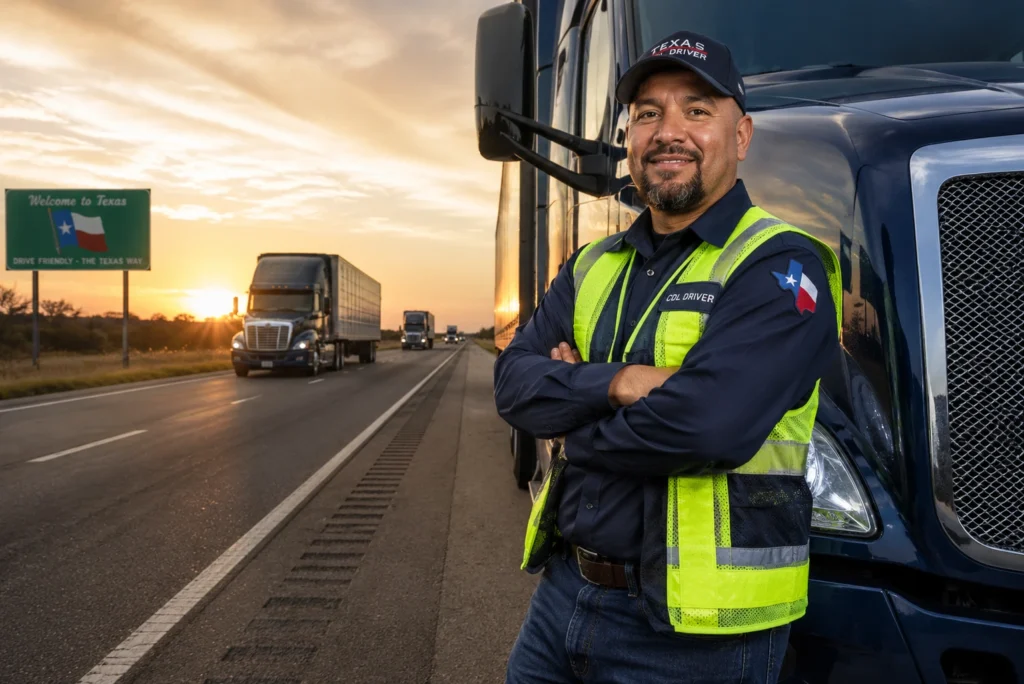
A Class A CDL is the most comprehensive commercial driver’s license available. It permits you to operate vehicles with a Gross Combination Weight Rating (GCWR) of 26,001 pounds or more. Crucially, it allows you to tow vehicles or trailers that weigh in excess of 10,000 pounds.
This licensing standard requires rigorous training because operating large, articulated combination vehicles involves complex maneuvers, wide turns, and extended braking distances. Industries ranging from retail logistics to agriculture and hazardous materials transport commonly hire Class A CDL drivers.
Which vehicles can you drive with a Class A CDL?
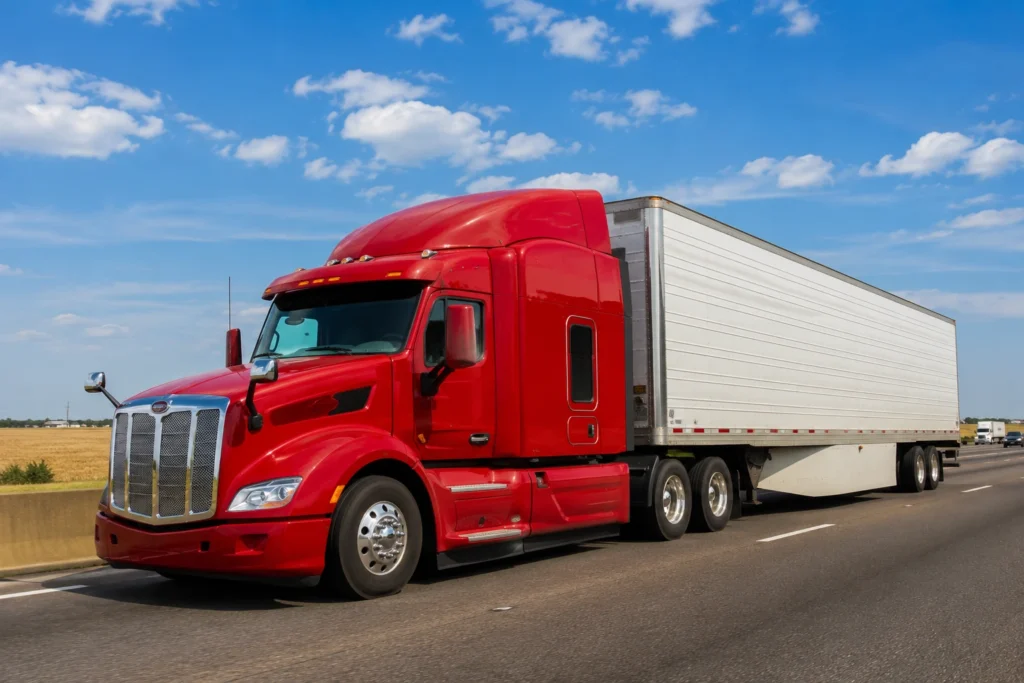
When you hold a Class A CDL, you can legally operate a vast array of commercial vehicles. These include:
- Tractor-trailers
- Semi-trucks
- Flatbed trucks
- Livestock carriers
- Tanker vehicles
- Truck and trailer combinations
What are the benefits of obtaining a Class A CDL?
Earning a Class A CDL unlocks a wealth of career opportunities. Because this license permits you to drive the largest commercial vehicles on the road, trucking companies constantly seek out Class A drivers. This high demand directly translates to higher earning potential.
Additionally, a Class A CDL offers the ability to operate a wider variety of commercial vehicles. You gain access to long-haul, over-the-road (OTR), and specialized trucking jobs that simply are not available to drivers with lesser licenses.
What exactly is a Class B CDL?
A Class B CDL permits you to operate single vehicles with a Gross Vehicle Weight Rating (GVWR) of 26,001 pounds or more. It also allows you to tow a trailer, but the towed unit must not exceed 10,000 pounds.
Because Class B vehicles are generally not articulated like tractor-trailers, the training focuses on handling large single-frame trucks. Common industries that require Class B CDL drivers include construction, public transportation, waste management, and local delivery services.
Which vehicles can you drive with a Class B CDL?
With a Class B CDL, your driving privileges cover heavy, single-axle, and multi-axle vehicles. These include:
- Straight trucks
- Box trucks
- Dump trucks
- Delivery vehicles
- School buses (with proper endorsements)
- Passenger buses (with proper endorsements)
What are the benefits of obtaining a Class B CDL?
A Class B CDL offers a faster training process compared to a Class A license. The vehicles are generally easier to maneuver, making the learning curve slightly less steep.
There is a strong demand for local drivers holding a Class B CDL. These roles typically offer predictable schedules, meaning less time spent away from home. For many individuals, a Class B CDL serves as an ideal entry-level step into commercial driving careers.
Class A vs Class B CDL: What are the key differences?
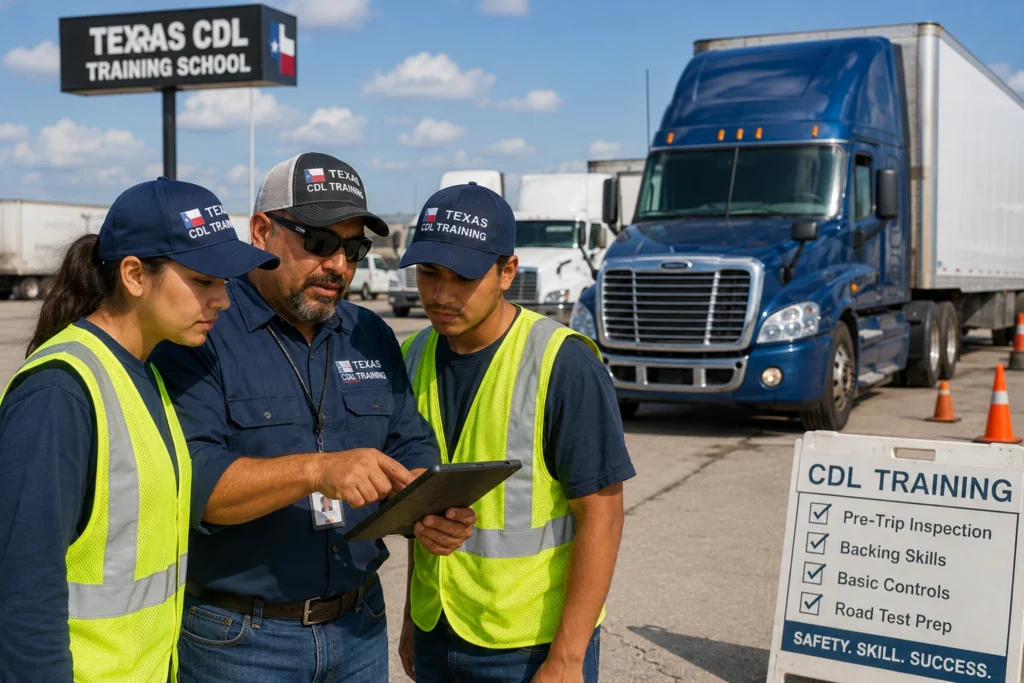
When weighing a Class A vs Class B CDL, you must evaluate how each license aligns with your professional aspirations.
How do vehicle types and driving privileges compare?
Class A CDL holders can drive combination vehicles with massive trailers. Furthermore, a driver with a Class A license can typically operate most Class B and Class C vehicles, provided they hold the correct endorsements. Class B CDL holders can drive large single vehicles but are strictly prohibited from towing trailers over 10,000 pounds.
What are the weight ratings and towing capacities?
The legal distinction hinges on weight and towing capacity. A Class A license requires a GCWR of 26,001 pounds or more, with trailer weight limitations exceeding 10,000 pounds. A Class B license requires a GVWR of 26,001 pounds or more, but the trailer weight is capped at 10,000 pounds.
How do job opportunities compare?
Class A drivers primarily pursue long-haul trucking careers. They transport freight across state lines and spend days or weeks on the road. Conversely, Class B drivers usually take local and regional driving careers. They complete routes within a specific city or state, allowing them to clock out and return home daily.
What is the salary comparison between the two?
Because long-haul trucking requires more time away from home and involves handling heavier, more complex vehicles, average earnings for Class A CDL drivers are generally higher. The Bureau of Labor Statistics reports that heavy and tractor-trailer truck drivers earn higher median wages than light truck or delivery services drivers. Average earnings for Class B CDL drivers are still competitive, but they reflect the local, set-schedule nature of the work.
How do training and testing requirements differ?
Both licenses require passing a written knowledge test to obtain a CDL permit, followed by a skills test and a road test. However, the Class A road test is inherently more demanding. You must demonstrate proficiency in backing up a combination vehicle, coupling and uncoupling trailers, and managing the unique blind spots of a tractor-trailer.
What is the core difference between Class B and Class A CDL?
The main difference between Class B and Class A CDL lies in the articulation and towing capacity of the vehicles. Class A covers combination vehicles; Class B covers single vehicles.
Quick Comparison Table
Feature | Class A CDL | Class B CDL |
|---|---|---|
Vehicle Type | Combination Vehicles | Single Vehicles |
Trailer Capacity | Over 10,000 lbs | Up to 10,000 lbs |
Career Options | Long-Haul & Specialized | Local & Regional |
Earning Potential | Higher | Moderate |
Vehicle Flexibility | More | Limited |
Which CDL offers more flexibility?
A Class A CDL generally provides broader driving privileges. Because the training covers complex combination vehicles, licensing authorities permit Class A drivers to operate Class B vehicles as well. This makes the Class A license highly versatile.
Which CDL is easier to obtain?
A Class B CDL is typically easier to obtain. The training requirements are shorter, and the testing considerations do not involve trailer coupling or managing a 53-foot articulated trailer during a road test.
Class A or B CDL: Which one should you choose?
Deciding whether to pursue a Class A or B CDL comes down to your personal and professional priorities.
When should you choose a Class A CDL?
Choose a Class A CDL if you want long-distance trucking jobs that let you travel across the country. This is the right path if you want higher earning potential and access to specialized driving opportunities, such as transporting hazardous materials or oversized loads.
When should you choose a Class B CDL?
Choose a Class B CDL if you prefer local routes. This is an excellent option if you want to return home daily and desire a quicker path into the transportation industry.
What factors should you consider before choosing?
Review your career goals, lifestyle preferences, and income expectations. Evaluate the industry demand in your specific region. Some areas have a massive need for local delivery drivers, while others serve as major hubs for long-haul freight.
What are the requirements for obtaining a Class A and B CDL?
Federal regulations mandate specific criteria for anyone seeking a commercial driver’s license. The requirements for obtaining a Class A and B CDL share several foundational steps.
What are the basic eligibility requirements?
You must meet minimum age requirements, which generally dictate that you are at least 18 years old to drive within state lines (intrastate) and 21 years old to drive across state lines (interstate). You need a valid driver’s license and must pass a Department of Transportation (DOT) medical examination. After meeting these criteria, you will apply for a Commercial Learner’s Permit (CLP).
What do the CDL skills and knowledge tests involve?
You must pass a series of written exams tailored to your license class. Once you hold your permit, you will undergo a three-part practical exam. This includes a pre-trip inspection, a basic vehicle control test (covering maneuvers like backing and parking), and a comprehensive road test in traffic.
Which CDL endorsements might you need?
Endorsements expand your driving privileges. Common additions include a tanker endorsement for hauling liquids, a passenger endorsement for driving transit buses, a school bus endorsement, and a hazardous materials (HazMat) endorsement.
How can professional CDL training help you succeed?
Attending a certified training program is vital. The Federal Motor Carrier Safety Administration (FMCSA) requires Entry-Level Driver Training (ELDT) for all new CDL applicants.
Professional training emphasizes the importance of hands-on training. Instructors guide you through learning vehicle inspections and safety procedures, ensuring you meet federal standards. Most importantly, structured programs help you build confidence behind the wheel.
Roadmaster Academy provides practical CDL training to help students prepare for testing and real-world driving careers. Their comprehensive curriculum covers everything from basic shifting techniques to advanced traffic navigation.
What are the career opportunities for Class A and Class B CDL drivers?
The logistics and transportation sector is vast. Your specific license dictates which segment of the industry you can enter.
What are popular jobs for Class A CDL holders?
- Truck driver
- Long-haul driver
- Tanker driver
- Flatbed driver
- Freight hauler
What are popular jobs for Class B CDL holders?
- Delivery driver
- Bus driver
- Dump truck operator
- Construction vehicle driver
- Utility service driver
Ready to start your CDL career in Texas?
Choosing the right CDL is only the first step. Translating that decision into a lucrative career requires the right education.
Highlight the importance of professional training and hands-on experience. Employers look for drivers who have been trained safely and comprehensively. If you are based in the South, Roadmaster Academy stands out as a premier CDL training provider in Texas.
Why should you train with Roadmaster Academy?
Roadmaster Academy offers experienced instructors who have spent years in the trucking industry. Students receive extensive hands-on driving practice using industry-standard equipment. The academy provides thorough CDL test preparation and career-focused training, frequently connecting graduates with top trucking carriers.
Start your trucking career with expert CDL training at Roadmaster Academy. Get hands-on experience, pass your test, and earn your CDL fast. If you’re looking for CDL training in Texas, enroll today and take the first step toward a rewarding career in the trucking industry.
Taking the Next Step in Your Trucking Career
To recap, a Class A CDL is a commercial license that permits you to operate large combination vehicles, including tractor-trailers, with a GCWR over 26,000 pounds. The key difference between a Class A and Class B CDL is that a Class B license restricts you to single vehicles and limits trailer towing capacity to 10,000 pounds.
Choosing between the two depends on what you want from your career. If you seek maximum income and the freedom of the open road, a Class A license is ideal. If you value a predictable schedule and local routes, a Class B license fits perfectly. Carefully evaluate these options to decide which CDL best matches your career goals. Take the initiative to seek professional training and step confidently toward a successful trucking career.
Frequently Asked Questions about Commercial Driver’s Licenses
What is a Class A CDL?
A Class A CDL is a commercial driver’s license that allows you to operate combination vehicles with a Gross Combination Weight Rating (GCWR) of 26,001 pounds or more, provided the vehicle being towed weighs more than 10,000 pounds.
What is the difference between Class B and Class A CDL?
The primary difference between Class B and Class A CDL lies in the towing capacity. A Class A license allows you to tow trailers over 10,000 pounds using combination vehicles. A Class B license only permits you to drive single vehicles or tow trailers weighing 10,000 pounds or less.
Can a Class A CDL holder drive Class B vehicles?
Yes. Generally, a Class A CDL holder can drive Class B and Class C vehicles, provided they have secured the appropriate endorsements required for those specific vehicles (such as passenger or school bus endorsements).
Which pays more: Class A or Class B CDL jobs?
Class A CDL jobs typically pay more than Class B CDL jobs. Long-haul trucking and operating complex combination vehicles demand more skill and time away from home, which results in higher average compensation.
Is a Class A CDL better than a Class B CDL?
A Class A CDL is not necessarily “better,” but it is more versatile. It offers more job opportunities and higher earning potential. However, a Class B CDL might be the better choice if you prioritize local work and returning home every night.
How long does it take to get a CDL?
Getting a CDL usually takes between four to eight weeks. The timeline depends on the training program you select, the class of license you are pursuing, and your personal availability to complete the required classroom instruction and hands-on driving hours.